
New South Wales Facts
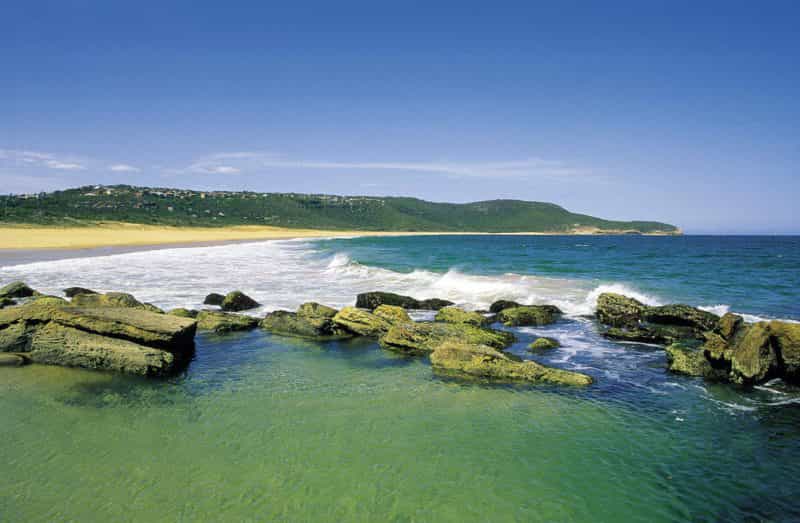
New South Wales is in the south-east part of the Australian continent and is the most populous and heavily industrialised State in Australia, with a highly urbanised population.
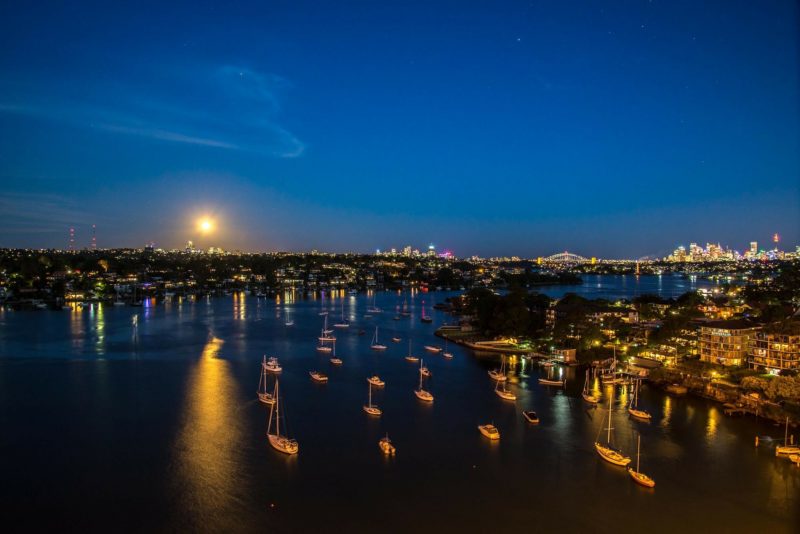
The capital of New South Wales is Sydney, the site of the country’s oldest European settlement and its largest and most cosmopolitan city, with ethnic communities from more than 100 countries. The city’s icons include The Sydney Cricket Ground, Sydney Harbour Bridge and The Sydney Opera House. Sydney hosted the 2000 Olympic Games, an important international finance centre and home to one of the world’s great seaports.
The total area of the State is 802 000 square kilometres or 10.4 per cent of Australia’s total area and includes Lord Howe, a small island in the Pacific Ocean.
More NSW Facts
New South Wales History
Prior to the arrival of Captain James Cook in 1770, New South wales was inhabited by Indigenous Australians for at least 40,000 years. The First Fleet, comprising 11 ships and around 1,350 people, was dispatched to the unknown continent – the only information about New
New South Wales Geography
So many fascinating landmarks make New South Wales a geographical wonderland. Many types of landscapes are encountered from the coastlines to the Outback that covers nearly every type of land form imaginable. Natural features divide the State into four main zones extending from north to
New South Wales Flags & Emblems
By the Colonial Defence Act of 1865 it became lawful for any Colony, subject to certain conditions, to provide and maintain its own vessels of war, and these were authorised to wear the Blue Ensign with the seal or badge of the Colony in the
This document includes some material prepared by The Australian bureau of Statistics, associated organisations and/or other authorities. Their assistance is gratefully acknowledged.


